Landscape Hardscaping in Boston, MA
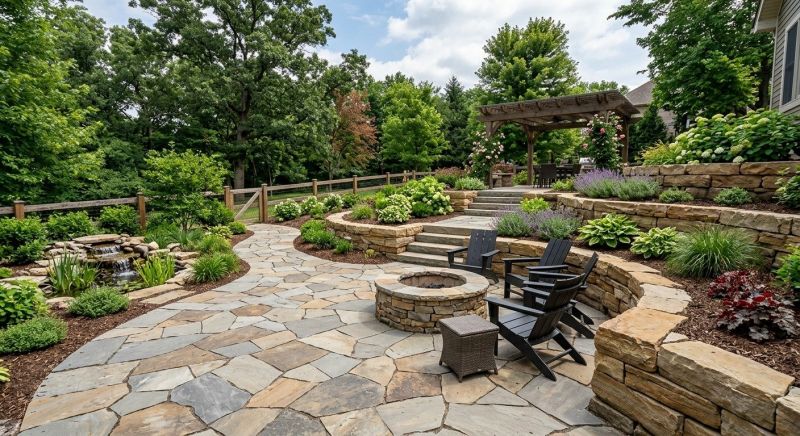
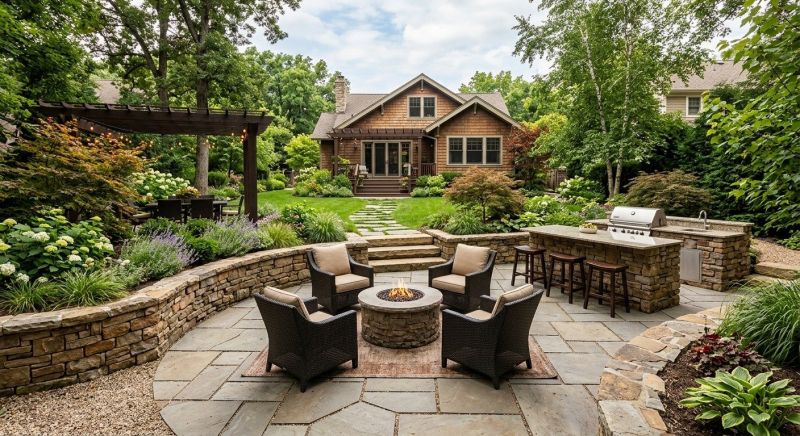
Landscape hardscaping services involve the installation and construction of durable, non-living elements within outdoor spaces to enhance functionality and aesthetics. This includes projects such as patios, walkways, retaining walls, driveways, fire pits, and outdoor seating areas. Property owners typically seek these services to create defined outdoor living spaces, improve drainage, or add visual interest to their yards. Before requesting hardscaping work, homeowners should consider factors like the intended use of the area, preferred materials, budget, and any existing landscape features that might influence design choices.
Understanding the scope of hardscaping projects is essential for property owners planning their outdoor improvements. They should evaluate the size and layout of the space, desired style, and how the new features will integrate with existing landscaping. It’s also helpful to consider long-term maintenance and potential permits or regulations that might apply to certain structures. Clear communication about these aspects can ensure the project aligns with the property owner’s vision and functional needs.
Many property owners in Boston, MA look into Landscape Hardscaping for repairs, replacements, upgrades, and appearance-related improvements.
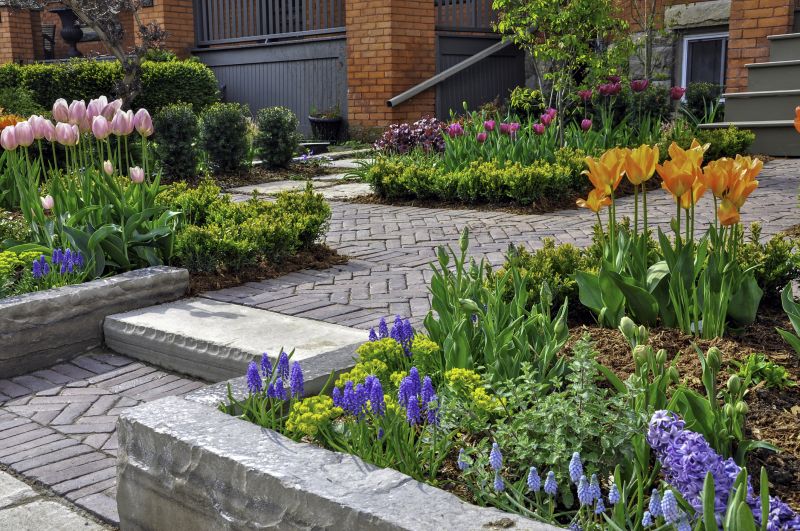
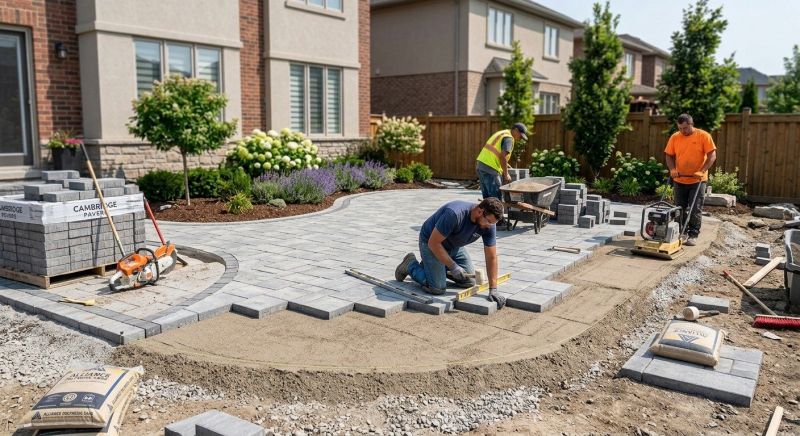
Patio And Walkway Design
Custom hardscape features enhance outdoor spaces for entertaining and everyday use.
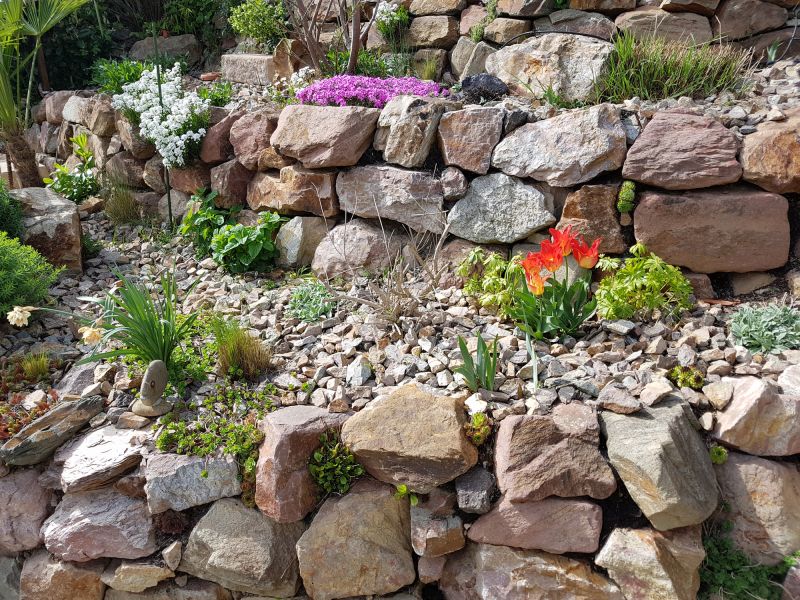
Retaining Walls And Edging
Structural elements add stability and define different areas of a landscape.
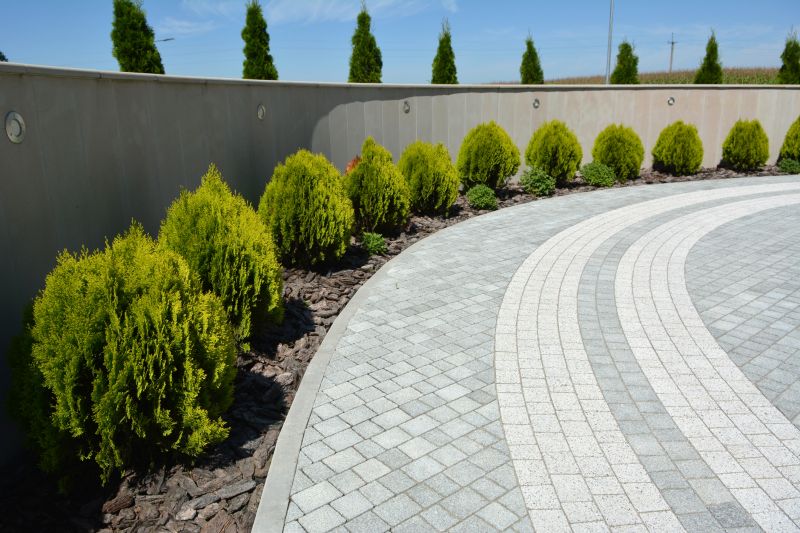
Driveway And Parking Areas
Durable surfaces improve functionality and curb appeal for residential and commercial properties.
Landscape Hardscaping in Boston, MA
Landscape hardscaping services involve the installation and construction of durable, non-living elements within outdoor spaces to enhance functionality and aesthetics. This includes projects such as patios, walkways, retaining walls, driveways, fire pits, and outdoor seating areas. Property owners typically seek these services to create defined outdoor living spaces, improve drainage, or add visual interest to their yards. Before requesting hardscaping work, homeowners should consider factors like the intended use of the area, preferred materials, budget, and any existing landscape features that might influence design choices.
Understanding the scope of hardscaping projects is essential for property owners planning their outdoor improvements. They should evaluate the size and layout of the space, desired style, and how the new features will integrate with existing landscaping. It’s also helpful to consider long-term maintenance and potential permits or regulations that might apply to certain structures. Clear communication about these aspects can ensure the project aligns with the property owner’s vision and functional needs.
Many property owners in Boston, MA look into Landscape Hardscaping for repairs, replacements, upgrades, and appearance-related improvements.
Common Landscape Hardscaping Jobs
Patio Installation - creating durable, functional outdoor spaces for entertaining and relaxing.
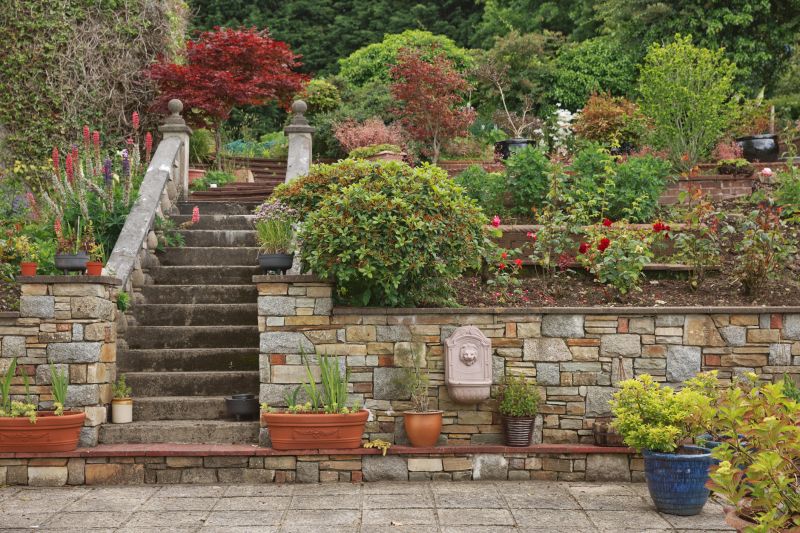
Retaining Walls - building structures to manage soil stability and define landscape levels.
Walkways and Pathways - designing practical routes that enhance access and curb appeal.
Driveway Paving - installing smooth, long-lasting surfaces for vehicle access and parking.
Fire Pits and Outdoor Living Areas - adding features that extend outdoor living seasons and social gatherings.
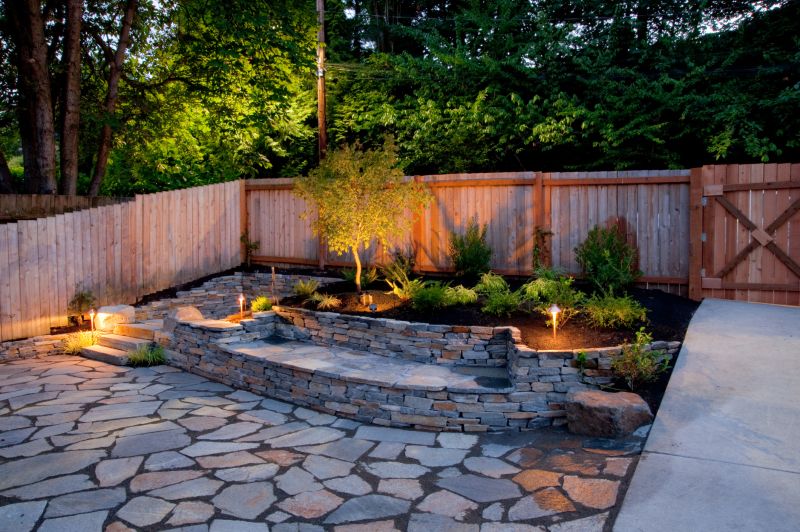
Stepping Stones and Borders - defining garden beds and walkways with decorative, practical hardscape elements.
Landscape Hardscaping Questions
What is landscape hardscaping? Landscape hardscaping involves the installation of non-living elements like patios, walkways, retaining walls, and outdoor features to enhance a property's appearance and functionality.
What types of projects are common with hardscaping? Common projects include creating outdoor patios, installing pathways, building retaining walls, and adding fire pits or decorative stone features.
What materials are used in landscape hardscaping? Materials such as concrete, brick, stone, pavers, and gravel are typically used for hardscape features depending on the design and purpose.
How does hardscaping improve a property? Hardscaping adds structure and visual interest, increases outdoor usability, and can help with erosion control and property drainage.
Request Landscape Hardscaping in Boston, MA
Use the quote form on this page to share the basics of your project and request more information for the type of work you need.