Repairing Seams And Edges In Artificial Grass
People seeking to repair seams and edges in artificial grass can rely on local contractors who specialize in fixing and restoring these areas for a seamless, durable look.
If your artificial grass has developed seams or edges that are starting to lift, fray, or become uneven, you're in the right place. Property owners in the area often encounter these issues as part of regular wear and tear, especially in high-traffic zones or outdoor spaces exposed to the elements. Addressing seam and edge problems promptly can help maintain a smooth, appealing surface and extend the lifespan of the installation. Whether it's for a backyard, commercial property, or sports field, understanding how to repair these areas can save time and money, and local contractors who specialize in artificial grass repair are available to assist with effective solutions.
Exploring options for repairing seams and edges in artificial grass is a practical step for anyone looking to preserve the look and functionality of their outdoor space. Skilled service providers can handle everything from re-seaming loose sections to reinforcing edges that are starting to lift. These repairs not only improve the appearance but also help prevent further damage that could lead to more extensive and costly fixes down the line. Keep reading to learn more about what repairs involve and how connecting with experienced local contractors can help restore your artificial grass to its best condition.
- Seam repairs in artificial grass are needed when seams start to split or lift, and local contractors can expertly re-glue or re-sew the seams to restore a seamless appearance.
- Edge repair services are essential when the edges of artificial turf become frayed or lifted, with service providers able to reattach or reinforce edges for a clean, finished look.
- Seam and edge reinforcement is often required after heavy use or weather damage, and local pros use specialized adhesives and techniques to secure seams and edges effectively.
- Seam sealing and edge stabilization are common when seams begin to separate or edges curl, with local contractors applying professional-grade materials to ensure durability.
- Artificial grass seam and edge restoration is necessary when aging or damage causes visible separation, and service providers can perform precise repairs to extend the lifespan of the turf.
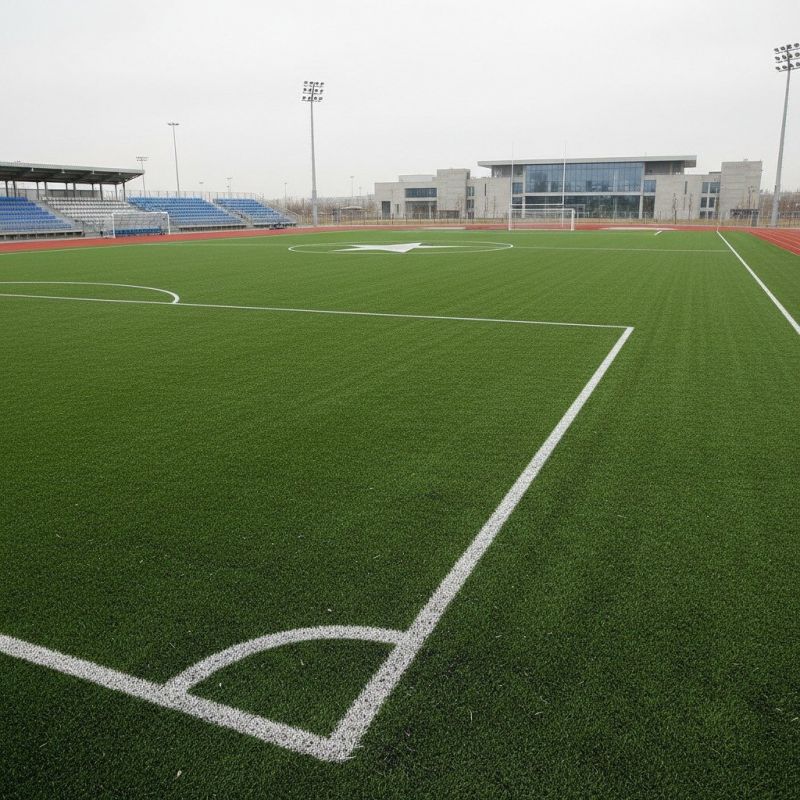
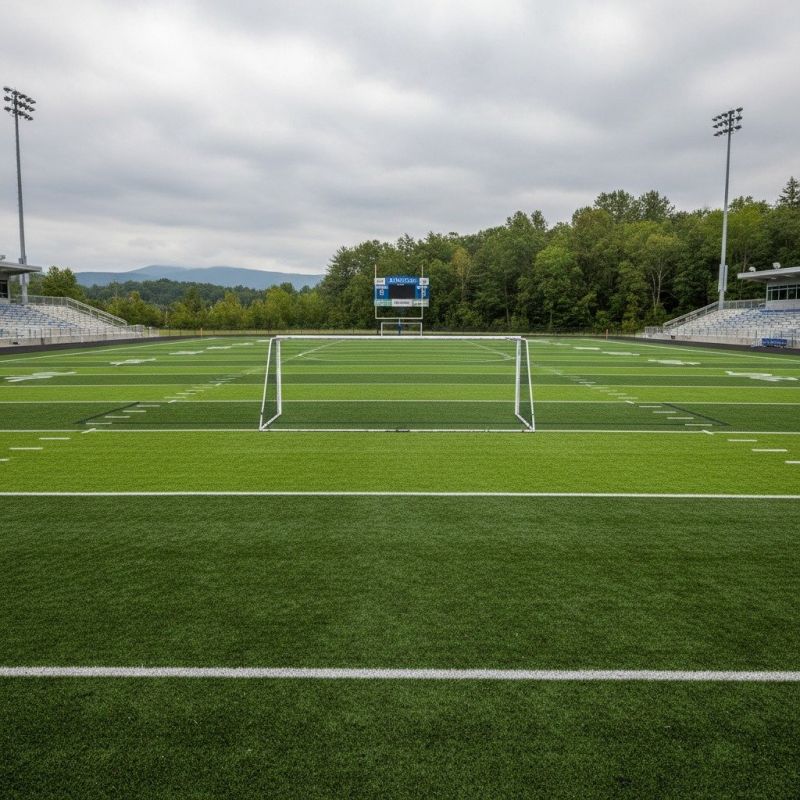
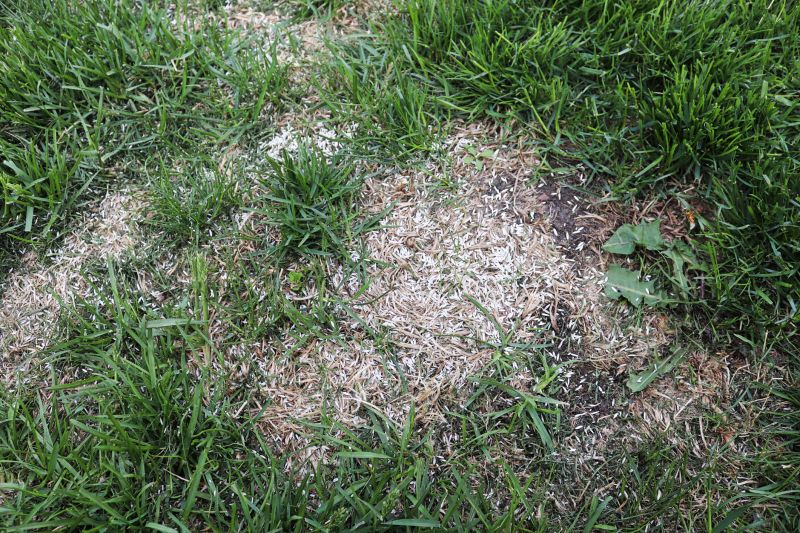
Repairing seams and edges in artificial grass is a common concern for homeowners who want to maintain a smooth, natural-looking surface in their outdoor spaces. When individuals search for this topic, they often seek solutions for issues like seams coming apart, edges lifting, or sections of turf separating due to regular use or weather exposure. These problems can compromise the appearance and safety of the artificial grass, making repairs necessary to restore a seamless, durable surface. Homeowners may also be planning to extend their existing turf or fix damage caused by pet activity, heavy foot traffic, or accidental impacts. Understanding how to address seam and edge issues is essential for ensuring the longevity and visual appeal of a synthetic lawn.
Seams and edges are critical areas in artificial grass installations that often experience the most wear and tear. Over time, seams can begin to lift or split, especially if not properly joined during installation or if subjected to ongoing stress. Edges may lift or curl upward, creating trip hazards or an unkempt appearance. Repairing these areas involves re-adhering or re-seaming the turf to prevent further damage and maintain a cohesive look. These repairs are typically part of a broader maintenance plan aimed at extending the life of the artificial grass, or they may be necessary after accidental damage or improper initial installation. Addressing seam and edge issues promptly can help avoid more costly repairs or replacement down the line.
The types of properties where repairing seams and edges in artificial grass are most common tend to include residential yards, playgrounds, sports fields, and commercial landscapes. In homes, lawns and backyard putting greens often require seam repairs after years of use or weather-related stress. Playgrounds with artificial turf may see edges lifting due to frequent foot traffic or equipment movement. Sports facilities, especially those used heavily, can develop seam separation or curling edges that impact playability. Commercial properties, such as retail centers or office complexes, also rely on well-maintained artificial grass to create inviting outdoor spaces. Local service providers are experienced in handling these various property types, offering tailored solutions to ensure the turf remains safe, attractive, and functional.
When searching for help with repairing seams and edges in artificial grass, homeowners are encouraged to find local contractors or service providers who specialize in turf repair. These professionals bring the necessary tools and expertise to address common issues like seam separation, edge curling, or lifting. They can assess the extent of damage, recommend appropriate repair techniques, and perform the work efficiently to restore the turf’s appearance and stability. Engaging with local pros ensures that repairs are performed with an understanding of the specific turf type and installation conditions, providing peace of mind that the job will be done correctly. This approach helps homeowners keep their artificial grass looking its best while avoiding the pitfalls of DIY repairs that may not hold up over time.
Turf installation services - professionals skilled in laying synthetic grass often handle seam and edge repairs to ensure a seamless appearance and longevity.
Landscaping repair projects - these contractors frequently work on fixing damaged or uneven turf edges as part of broader landscape improvements.
Artificial turf patching and repair - specialists in patching damaged sections can also address seam and edge issues to restore a uniform look.
Outdoor surface renovation - service providers who upgrade patios or walkways may also repair artificial grass seams and edges as part of their scope.
Synthetic grass cleaning and maintenance - providers offering maintenance services often perform minor repairs to seams and edges to prevent further damage.
Drainage system installation - contractors installing or repairing drainage may also fix seams and edges to ensure proper water flow and turf integrity.
When evaluating service providers for repairing seams and edges in artificial grass, it is important to consider their experience with similar projects. Homeowners should inquire about the types of repairs the contractors have performed and whether they have handled artificial grass repair work comparable to their specific needs. An experienced professional will have a better understanding of the materials, techniques, and challenges involved, which can contribute to a more seamless and durable repair.
Clear, written expectations are essential when selecting a contractor for artificial grass repair services. Homeowners should seek detailed explanations of the scope of work, materials to be used, and the process involved in repairing seams and edges. Having this information in writing helps ensure there is mutual understanding and reduces the risk of misunderstandings or surprises once the project begins.
Reputable references and effective communication are also key factors to consider. Service providers with a history of satisfied clients and positive references can offer insights into their reliability and quality of work. Additionally, choosing a contractor who communicates clearly and responds promptly to questions can make the repair process smoother and more predictable. These qualities help homeowners feel confident that the project will be managed professionally and efficiently.
Property owners often search for repairing seams and edges in artificial grass when they are planning practical projects around their homes and businesses. Local pros provide Artificial Grass Repair services for everyday jobs and straightforward project options.
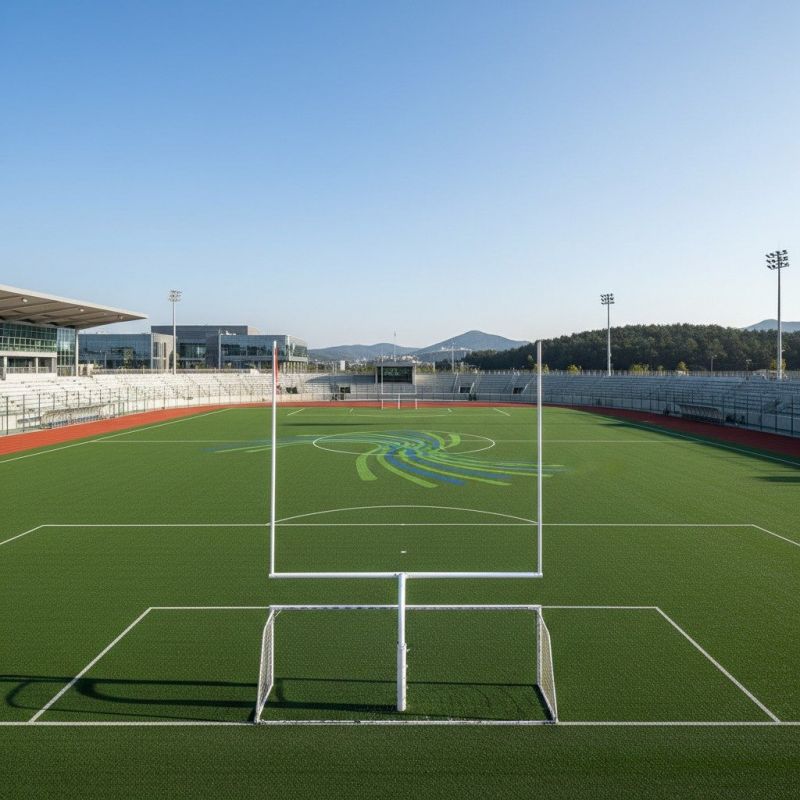
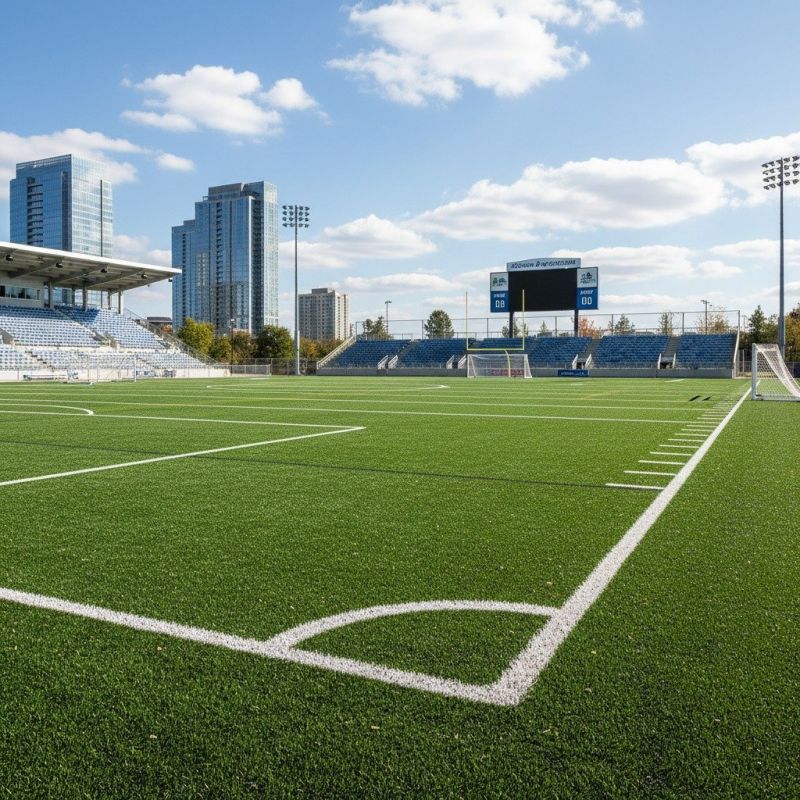
Property owners in the area may find themselves needing to repair seams and edges in artificial grass after regular use or exposure to weather conditions. Over time, seams can start to lift or fray, and edges might become loose or damaged, affecting the appearance and safety of the turf. These common issues often prompt homeowners and property managers to seek out professional repair services to restore the look and functionality of their artificial grass installations.
Local contractors specializing in artificial grass repair are equipped to handle these everyday project situations efficiently. They can assess the extent of seam and edge damage, then perform repairs that blend seamlessly with the existing turf. Whether it’s re-seaming loose sections or reinforcing edges to prevent further damage, these service providers help maintain the durability and visual appeal of artificial grass, making them a practical choice for property owners looking to extend the life of their outdoor surfaces.
How do professionals repair seams in artificial grass? Local contractors typically use specialized adhesives and seam tape to securely join sections of artificial grass, ensuring a smooth and durable repair.
What methods are used to fix edges in artificial grass? Experts often trim and re-secure loose or lifted edges with appropriate adhesives and edging materials to prevent further damage and maintain a clean appearance.
Can repairing seams and edges be done without replacing the entire turf? Yes, experienced service providers can often repair seams and edges effectively without the need for full replacement, restoring the integrity of the artificial grass.
What tools do local contractors use for seam and edge repairs? Professionals typically utilize seam tape, adhesive, scissors, and sometimes heat tools to ensure seamless and lasting repairs in artificial grass.
Are repairs to seams and edges in artificial grass permanent? When performed by skilled service providers, repairs can be long-lasting, especially when proper materials and techniques are used to reinforce seams and edges.
Assessing seam and edge damage - property owners can evaluate areas of artificial grass showing signs of separation or fraying to determine where repairs are needed.
Selecting appropriate repair materials - understanding the different adhesives and seam tapes available helps property owners choose the right supplies for durable fixes with local contractors.
Preparing the area for repair - clearing debris and ensuring the surface is clean allows for better adhesion and a seamless repair process performed by service providers.
Executing repairs effectively - property owners can work with local pros to properly align and secure seams and edges, restoring the appearance and functionality of artificial grass.
If you are thinking about repairing seams and edges in artificial grass for a property, this guide is meant to help you understand this topic, the typical project types, and how different options might fit your plans.
When you are ready, you can use the quote form on this page to share a few details about your project. From there, local pros can review the basics and follow up with options that match what you have in mind.